Afoni Children of Hope Foundation
ACOHOF - Cameroon
Motto: Hope for the Underprivileged
Afoni Children of Hope Foundation
ACOHOF - Cameroon
Motto: Hope for the Underprivileged
Cultivating Entrepreneurs: ACOHOF’s Work to Build Rural Agripreneurs in Cameroon
Hands-on agricultural training, enterprise learning, and community partnerships are helping young people in Bankim turn skills into sustainable livelihoods.
At the ACOHOF Bilingual Technical Vocational College of Agriculture and Entrepreneurship (ATVOCAE) and the ACOHOF Family Farm School in Bankim, agricultural education is designed to be practical, inclusive, and directly connected to rural livelihoods. Students learn in classrooms, but they also work in real production environments where they plant crops, manage animals, observe results, solve problems, and develop confidence.
Through demonstration farms, workshops, supervised fieldwork, and enterprise projects, ACOHOF prepares young people to become skilled agripreneurs who can contribute to food security, self-employment, and local economic development. Director Mr. Mbamkamie Alpha Nzambam leads the program, with support from Mr. Guiwen Felix, the teaching team, and strategic partners.
The school environment combines crop production, livestock management, beekeeping, environmental stewardship, value-added processing, and business planning. A planned Pedagogical Aquaculture Training Annex in 2027 will further expand opportunities for technical learning and youth entrepreneurship.
Learning by Doing: A Practical Model for Rural Youth
ACOHOF’s Work-Based Learning model connects classroom instruction with supervised practice on family farms, school demonstration plots, and student enterprise projects. This approach helps learners understand agriculture as both a technical discipline and a pathway to employment, income generation, and community service.
The three-year vocational pathway supports rural youth, including learners with limited access to formal education, by strengthening literacy, technical competence, and entrepreneurial thinking. Graduates are prepared for self-employment, formal employment, further studies, or the creation of their own agricultural businesses.
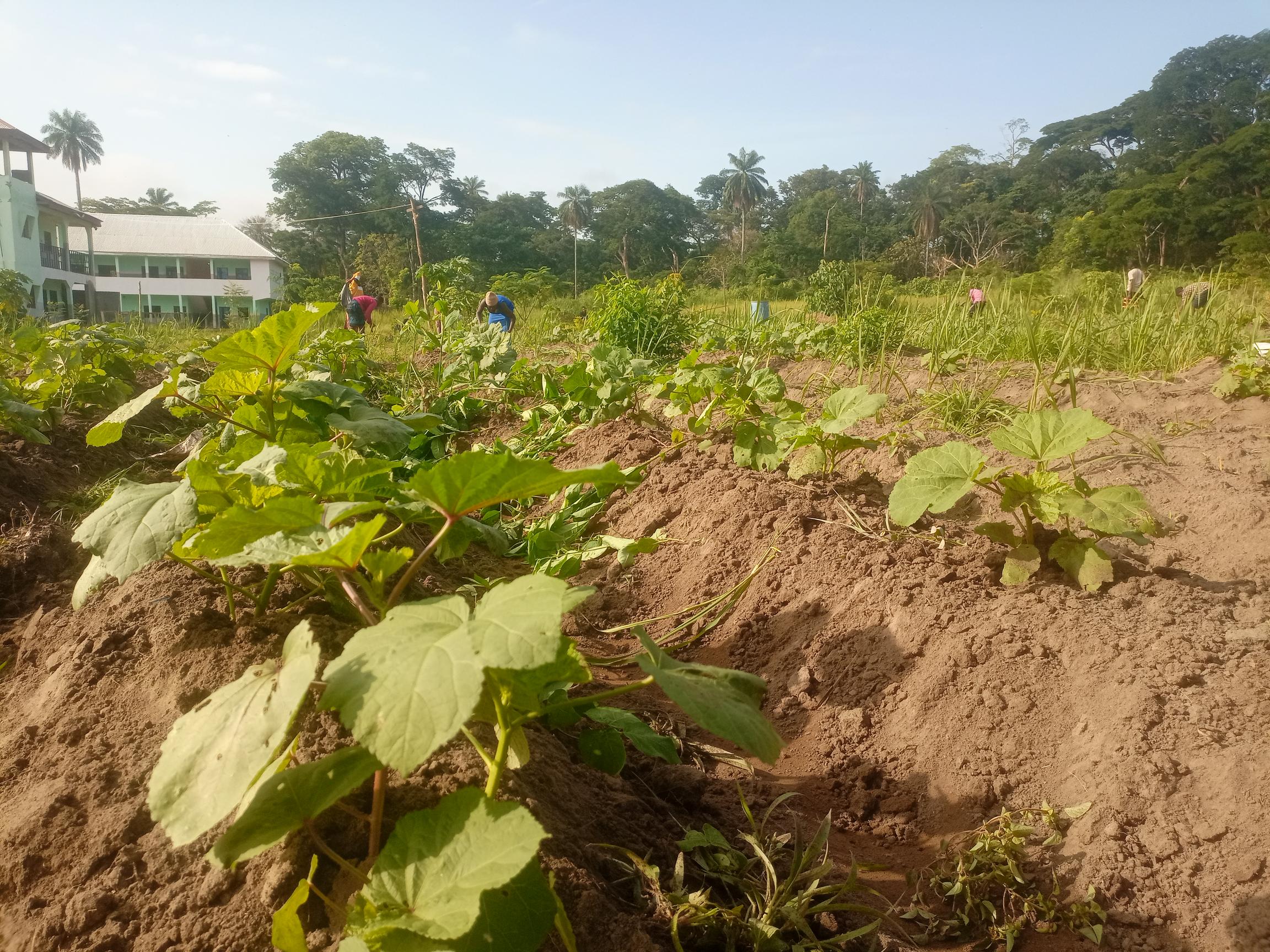
· Students cultivate crops such as yam, maize, soybeans, and okra.
· Training links production decisions to nutrition, household income, and local markets.
· Each learner manages a personal plot within the School Enterprise Farm.
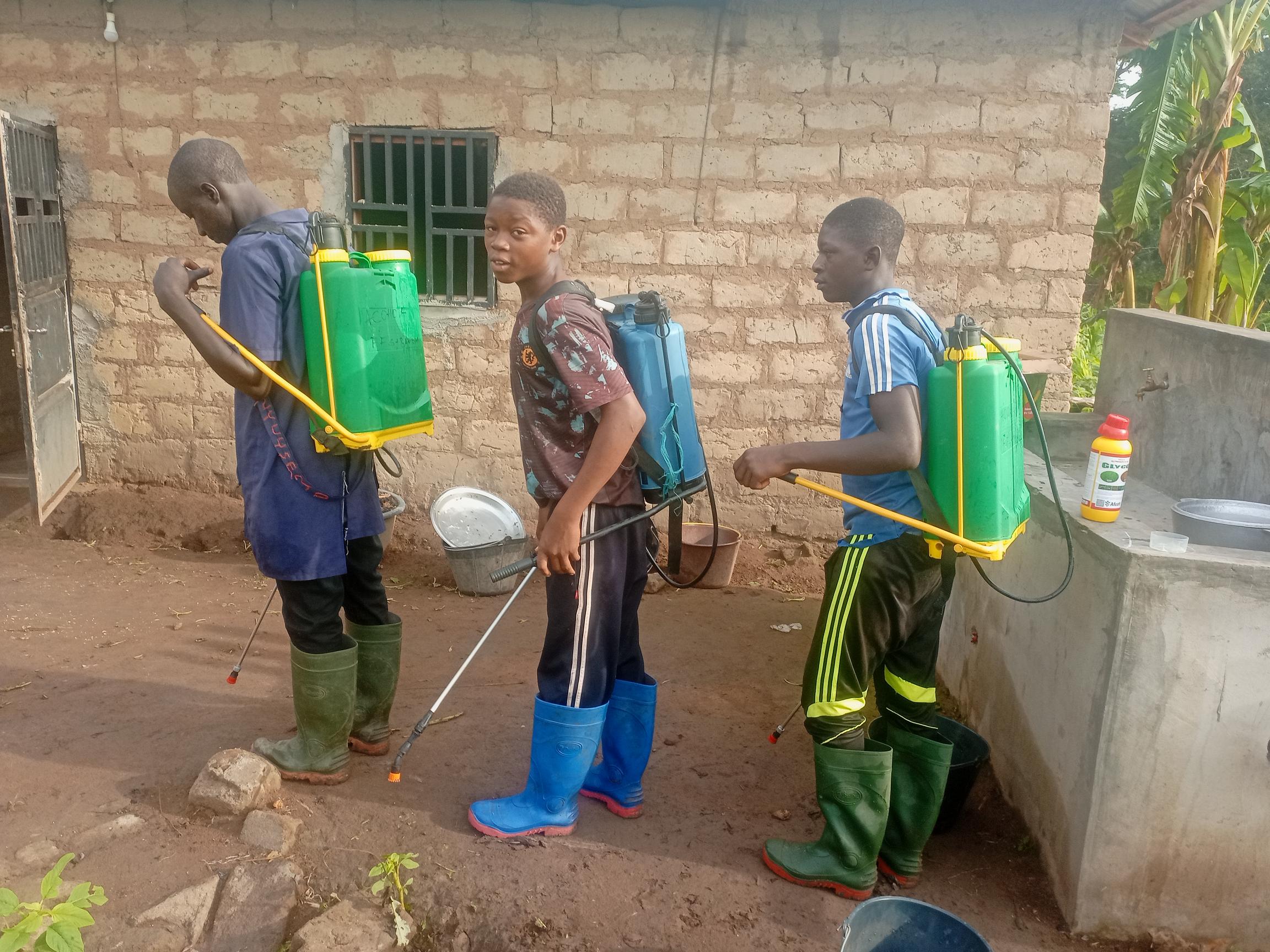
By managing their own plots, learners experience the full production cycle: land preparation, planting, maintenance, pest control, harvesting, and performance review. This process builds responsibility and shows that strong results depend on planning, consistency, observation, and sound decision-making.
Instructors provide regular supervision, field feedback, and technical coaching. Student progress is assessed through observation, productivity results, field visits, and practical performance, allowing learners to correct mistakes early and improve continuously.
As students advance, they develop a personal enterprise project known as My First Business. This stage helps them translate training into practical business ideas, implementation plans, and income-generating activities.
The curriculum also prepares learners for national examinations administered by the Ministry of Employment and Vocational Training (MINEFOP), helping them obtain recognized certifications, such as the Certificat de Qualification Professionnelle (CQP), that enhance their future opportunities.
Quality Training Supported by Strong Partnerships
To maintain quality and relevance, ACOHOF works closely with PROCEFFA, a regional platform that supports rural vocational education and family farm schools. Technical assessments, pedagogical coaching, and monitoring visits—including support from Mr. Moudio Herve and Mr. Sengafor Emmanuel—help the institution refine its Work-Based Learning curriculum.
These partnerships help ensure that training remains practical, measurable, and responsive to the needs of rural communities.
Demonstration Farms That Turn Theory into Practice
ACOHOF’s demonstration farms give students direct exposure to livestock, poultry, crop production, and mixed farming systems. These practical units help learners understand animal welfare, feeding schedules, housing, hygiene, biosecurity, record-keeping, and market-oriented production.
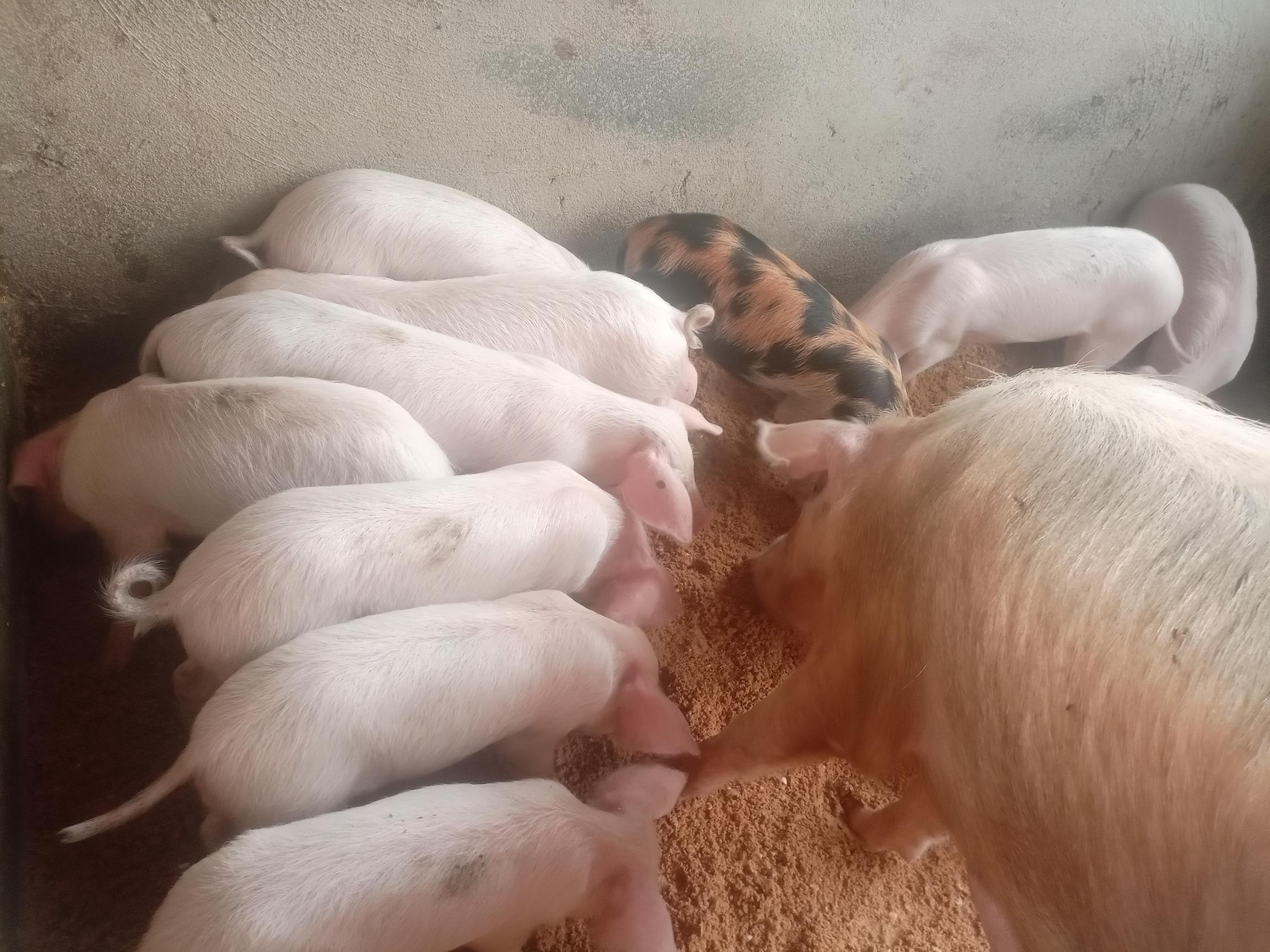
Piggery Workshop
The piggery workshop introduces learners to pig production and herd management. From an initial four piglets, the unit has expanded to include four sows and twenty-two healthy piglets, providing students with practical exposure to breeding, feeding, sanitation, piglet care, and production records.
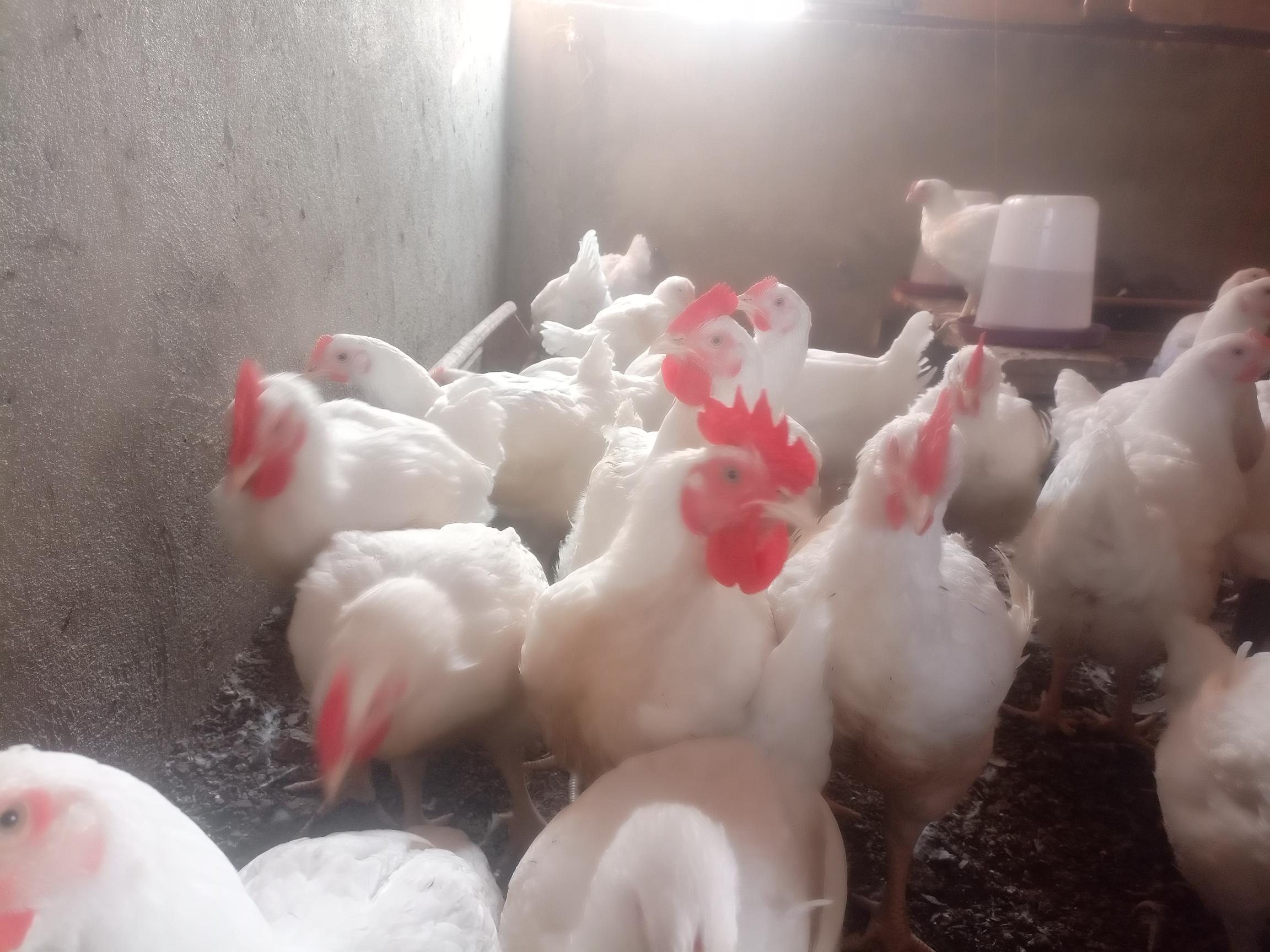
ATVOCAE Poultry Demonstration Farm
The poultry unit supports training in egg production and breed management. With fifty Brahma birds and sixty laying hens, students practice housing management, feed preparation, water supply, disease prevention, egg collection, flock monitoring, and production record-keeping.
The Brahma flock introduces learners to high-value heritage breeds, while the laying hens provide experience in commercial egg production. Together, both units show how nutrition, hygiene, lighting, stress reduction, and disease control influence productivity and profitability.
ATVOCAE Aquaculture Training Annex
In 2027, ACOHOF plans to open a Pedagogical Aquaculture Training Annex in Bankim. The annex will help students translate fish farming theory into practical skills that benefit local communities and create new entrepreneurial opportunities.
Training will focus on fish health, water quality, feeding methods, stocking density, fingerling management, harvesting, cost control, and market readiness. The annex will also promote applied research in local feed formulation and efficient production systems.
Training Species and Production Focus
The annex will focus on Nile tilapia (Oreochromis niloticus) and African catfish (Clarias gariepinus), two freshwater species already farmed in Cameroon and valued for their market potential.
· Nile tilapia: Training will cover stocking density, feeding techniques, aeration, water quality monitoring, and intensive tank management.
· African catfish: Training will emphasize high-protein feeding, fingerling supply, growth monitoring, harvesting, and market-oriented production.
Operational Strategy and Research Emphasis
Rather than operating primarily as a commercial business, the annex will serve as a training and research site. Students will learn how careful management, aeration systems, survival-rate monitoring, and localized feed formulation can reduce costs and improve yields.
Beekeeping, Biodiversity, and Eco-Innovation
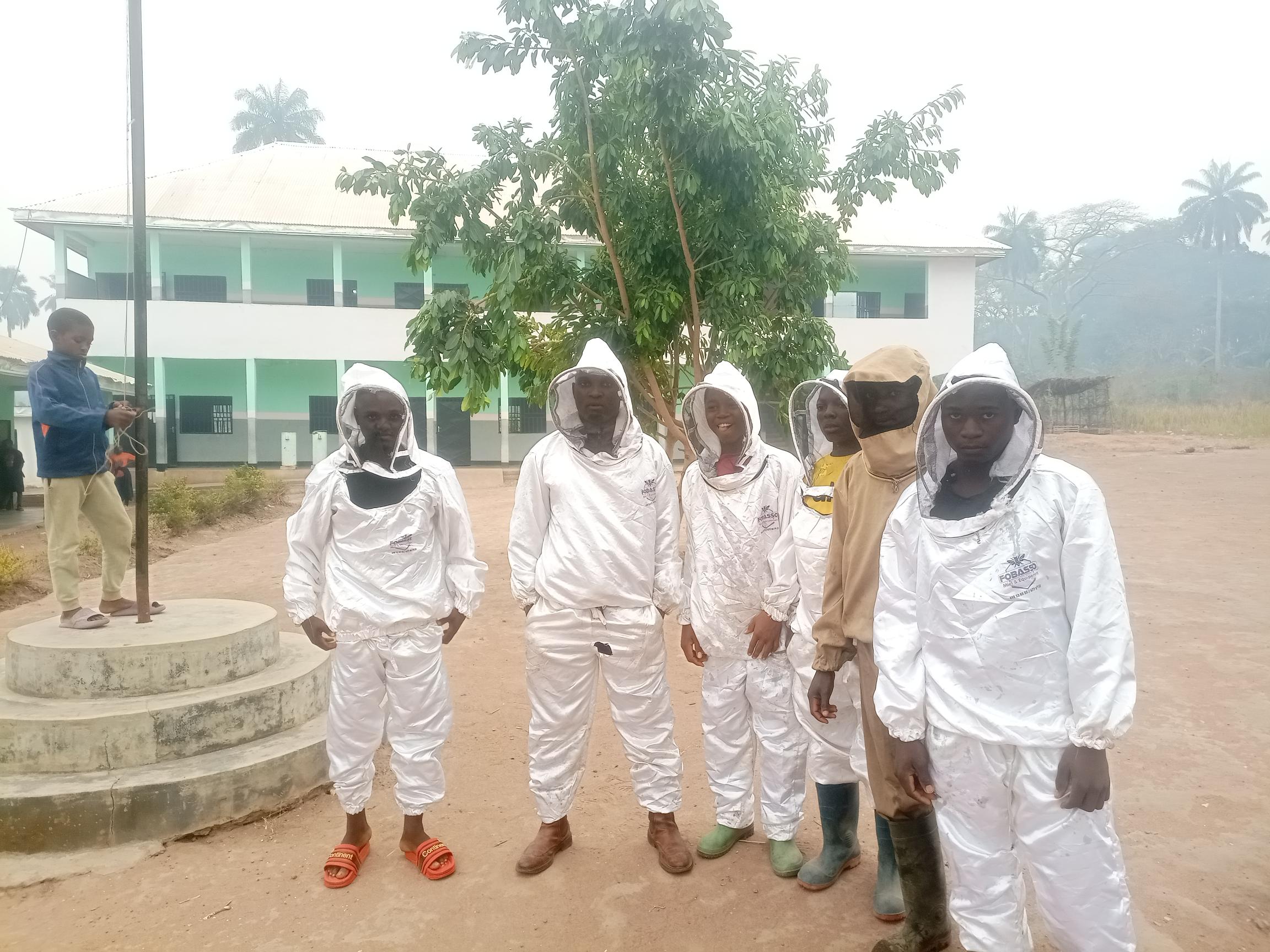
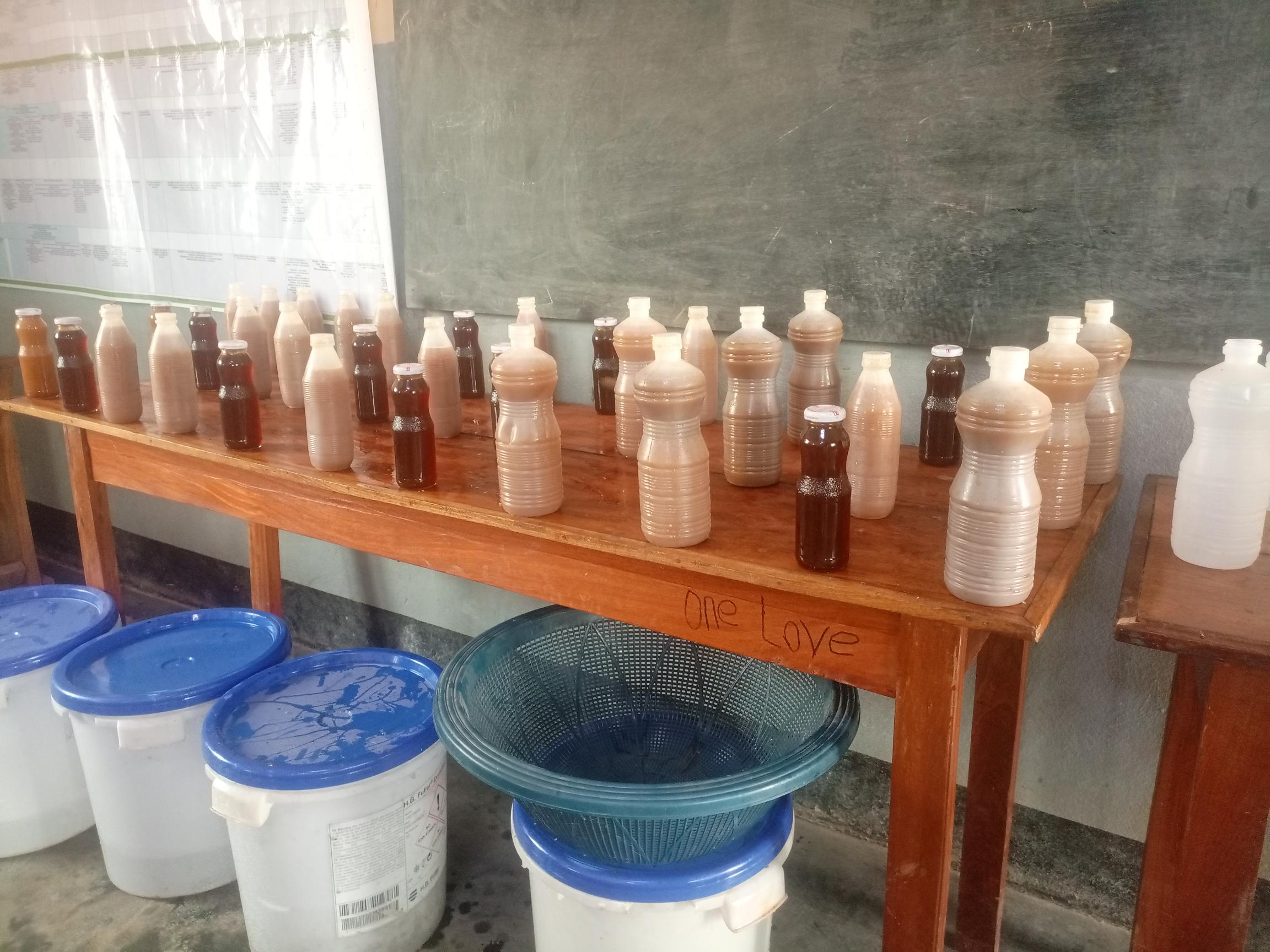
Beekeeping strengthens ACOHOF’s commitment to diversified, climate-resilient agriculture. The school apiary includes twelve beehives, using both modern Kenyan top-bar hives and traditional hive designs. Students learn about honey production, colony management, pollination ecology, biodiversity conservation, and small-scale agribusiness.
Strategic Collaboration and Environmental Importance
The international Miel Maya project and the PROCEFFA network support the initiative, with Mr. Dinga Joseph providing technical contributions. Beyond honey production, the program helps students understand the role of bees in crop pollination, ecosystem balance, and sustainable farming systems.
Ongoing Practical Training: Honey Harvesting
Through supervised honey-harvesting activities, trainees learn safe hive preparation, hive inspection, identification of capped honey, extraction, colony protection, and hygienic handling. Practical sessions emphasize safety, teamwork, product quality, and respect for colony health.
Priorities for Program Improvement
To strengthen the program, ACOHOF plans to increase practical apiary sessions, organize workshops with experienced local beekeepers, promote environmentally responsible beekeeping, and connect honey production to income-generating opportunities.
Environmental Stewardship and Reforestation
Environmental education is integrated into ACOHOF’s agricultural training. Through collaboration with Grain de Vie, the institution has planted more than 700 trees on and around the campus. This reforestation effort reduces soil erosion, restores green spaces, enhances biodiversity, and encourages students to incorporate environmental responsibility into their future work as farmers, entrepreneurs, and community leaders.
Community Engagement Through Open Door and Orientation Day
The annual ACOHOF Open Door and Orientation Day brings together students, parents, traditional leaders, local authorities, partners, prospective learners, donors, and community members. The event presents the school’s training model, showcases student achievements, and builds public confidence in practical vocational education.
Visitors explore student exhibitions, guided farm visits, crop demonstrations, livestock units, value-added processing activities, and eco-innovation projects such as Solar Water Disinfection. Sports and cultural activities create a welcoming environment that links learning, culture, and community participation.
Student Impact Beyond the Campus
ACOHOF’s practical model is already producing results beyond the classroom. Before graduation, students apply their skills by starting small businesses, managing production, and gaining market experience under institutional guidance.
Field Success Stories
Four students, including Steve and Serge, have started poultry businesses at home. Their progress shows how hands-on training, field follow-up, and technical mentorship can turn classroom learning into an income-generating activity.
ACOHOF also supports socio-professional integration through post-training monitoring and mentorship, including youth projects supported by international partners such as the Turin Foundation through BROAIS Grand Sud. This follow-up helps graduates remain connected to the institution while building sustainable livelihoods.
Continuous Improvement for Stronger Results
ACOHOF continues to review its training programs, public events, and graduate support systems. After each training cycle, the Insertion Office and Projects Coordination Department assess operational strengths and challenges to improve planning, communication, logistics, and community engagement.
· Improve transport support for alumni from remote areas.
· Strengthen early coordination with target communities.
· Communicate earlier with economic partners and funding agencies.
· Keep activities inclusive, well organized, and aligned with student and community needs.
A Practical Pathway to Sustainable Rural Development
ACOHOF demonstrates how vocational education can create meaningful opportunities when it is practical, community-focused, and linked to real economic needs. Through crop production, piggery, poultry, beekeeping, environmental education, and the planned aquaculture annex, the institution offers a strong model for modern rural training.
By combining technical skills, enterprise development, mentorship, and environmental responsibility, ACOHOF is helping rural youth build confidence, reduce dependency, create businesses, and contribute to food security and sustainable development in Cameroon.
Partner with ACOHOF
ACOHOF invites technical and financial partners, local entrepreneurs, community leaders, parents, and supporters of practical education to help expand opportunities for rural youth.
· Technical and financial partners can support the 2027 Aquaculture Training Annex through infrastructure, aeration systems, fish tanks, training equipment, and localized feed formulation initiatives.
· Local entrepreneurs and market operators can support the school enterprise farm and graduates by purchasing quality agricultural products, including fish, poultry, pork, and honey.
· Parents and community leaders can encourage motivated youth from Bankim Council and nearby communities to enroll in ACOHOF’s three-year vocational pathway.
These partnerships strengthen the link between training, production, entrepreneurship, and local economic growth.
Call to action: Support ACOHOF’s practical agripreneurship model and help more rural youth access skills, mentorship, employment pathways, and business ownership opportunities. To coordinate a corporate partnership, contact the Afoni Children of Hope Foundation via email at project-partners@acohof.org or reach out directly on WhatsApp at +237 672 970 666.